Tucked away in the heart of the Cambodian countryside lies Ta Som, a temple less renowned than its majestic Angkorian neighbours, yet possessing a unique charm that captivates all who visit. Its claim to fame? A colossal strangler fig tree, its roots and branches dramatically enveloping the temple’s entrance, creating an unforgettable and awe-inspiring sight. This smaller temple offers a different perspective on Angkor, a glimpse into the harmonious, yet powerful, relationship between nature and human history.
The All-Enveloping Stranglers
The most striking feature of Ta Som is undoubtedly the massive strangler fig that has, over centuries, completely overtaken the temple’s southern gate. Its roots snake down the ancient stone, a testament to the relentless power of nature. 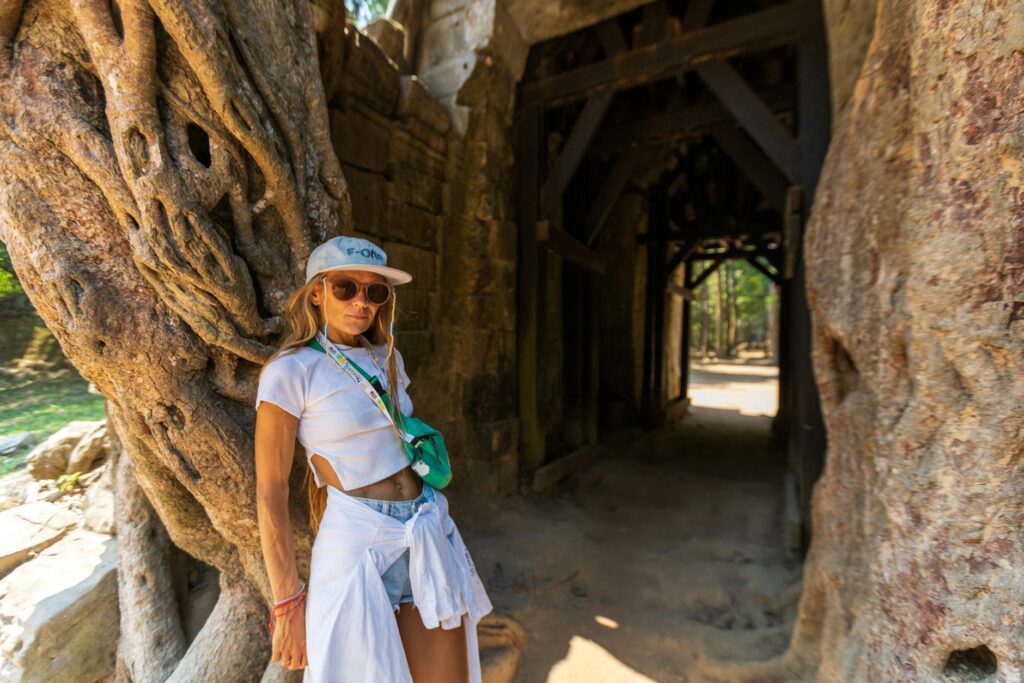 This incredible display of natural resilience is a captivating spectacle, showcasing the slow, patient conquest of the jungle over man-made structures. The interplay of light and shadow filtering through the dense foliage adds to the temple’s mystical aura, creating a truly magical atmosphere. You can almost feel the passage of time as you stand beneath this remarkable tree. Learn more about the different types of strangler figs found in Angkor.
Exploring the Temple Ruins
Beyond the iconic strangler fig, Ta Som offers a fascinating glimpse into the architectural marvels of the Khmer Empire. While smaller than Angkor Wat or Bayon, the temple still boasts impressive structures, including intricately carved stone walls and remnants of what were once magnificent towers. 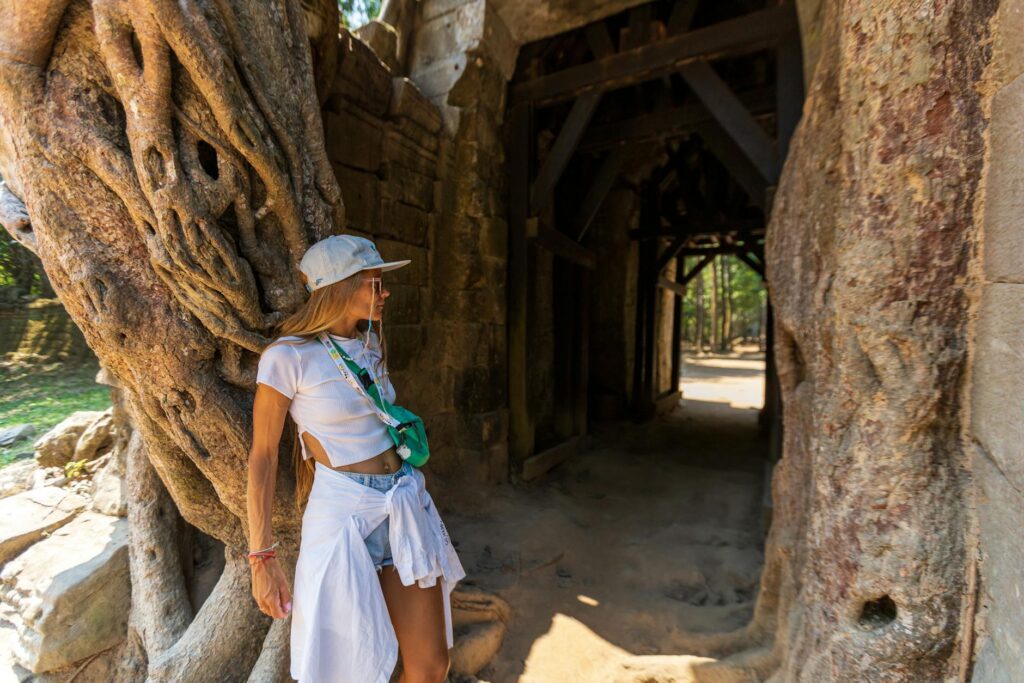 Despite the damage caused by time and the encroaching jungle, the remaining features are a testament to the skill and artistry of the ancient Khmer builders. You can spend a peaceful hour or two exploring the quieter corners of the temple, taking in the details often overlooked in more popular sites. Check out this interactive map of Ta Som.
A Peaceful Escape from the Crowds
Compared to the bustling crowds that throng Angkor Wat, Ta Som offers a much more tranquil experience. This makes it an ideal destination for those seeking a more peaceful and reflective visit to the Angkor temple complex. The relative seclusion allows for a more intimate connection with the history and the environment. [IMAGE_3_HERE] It’s a perfect place to escape the heat and noise, and simply appreciate the beauty of the surroundings. You might even be lucky enough to spot some of the local wildlife!Discover other hidden gems in Angkor.
The History of Ta Som
Ta Som, meaning ‘the temple of the Shiva Lingam’, was likely built during the reign of Jayavarman VII in the late 12th or early 13th century. Read more about Jayavarman VII’s reign here. It was part of a larger network of temples and structures, likely serving a religious or ritualistic purpose within the wider Angkorian context. Although much of its original grandeur is lost to time, the surviving structures offer invaluable insights into the architectural and religious practices of this significant era in Khmer history. While much remains unknown, ongoing research continues to unveil more about this fascinating site. Learn more about the Angkor Wat period here.
Photography at Ta Som
Ta Som provides photographers with countless opportunities to capture stunning images. The dramatic contrast between the ancient stone and the lush vegetation creates visually compelling scenes. The interplay of light and shadow, filtered through the leaves of the strangler fig, offers constantly changing perspectives. [IMAGE_4_HERE] Whether you’re a professional or just enjoy capturing memorable moments, Ta Som is a photographer’s paradise. Remember to be respectful of the site and its history when taking your shots.
Conclusion
Ta Som, with its iconic strangler fig and serene atmosphere, offers a unique and rewarding experience for any visitor to Angkor. While it may not be as famous as its larger neighbours, its charm lies in its intimacy, its tranquility, and its captivating blend of nature and history. It’s a reminder of the power of time, the resilience of nature, and the enduring legacy of the Khmer civilization.
Frequently Asked Questions
What is the best time to visit Ta Som? Early morning or late afternoon offer the best lighting for photography and a cooler temperature.
How long does it take to explore Ta Som? Allow at least 1-2 hours to fully appreciate the temple and its surroundings.
Is Ta Som accessible to all fitness levels? Yes, the paths are relatively flat and easy to navigate.
Can I climb on the ruins? For safety reasons, climbing on the ruins is discouraged.
Are there any facilities at Ta Som? There are limited facilities; it is advisable to bring water and wear appropriate clothing.

