Ta Prohm, a 12th-century temple in Angkor, Cambodia, is more than just a historical site; it’s a breathtaking testament to the power of nature reclaiming civilization. Famous for being featured in the movie *Tomb Raider*, the temple is renowned for its stunning architecture engulfed by massive tree roots and jungle overgrowth. This unique blend of nature and history creates a truly unforgettable experience for visitors.
A History Steeped in Mystery
Built during the reign of King Jayavarman VII, Ta Prohm served as a Buddhist monastery and university. Its intricate carvings and impressive structures demonstrate the sophistication of Khmer architecture. Unlike the meticulously preserved Angkor Wat, Ta Prohm was abandoned for centuries, allowing nature to slowly consume the stone, creating the haunting beauty we see today. 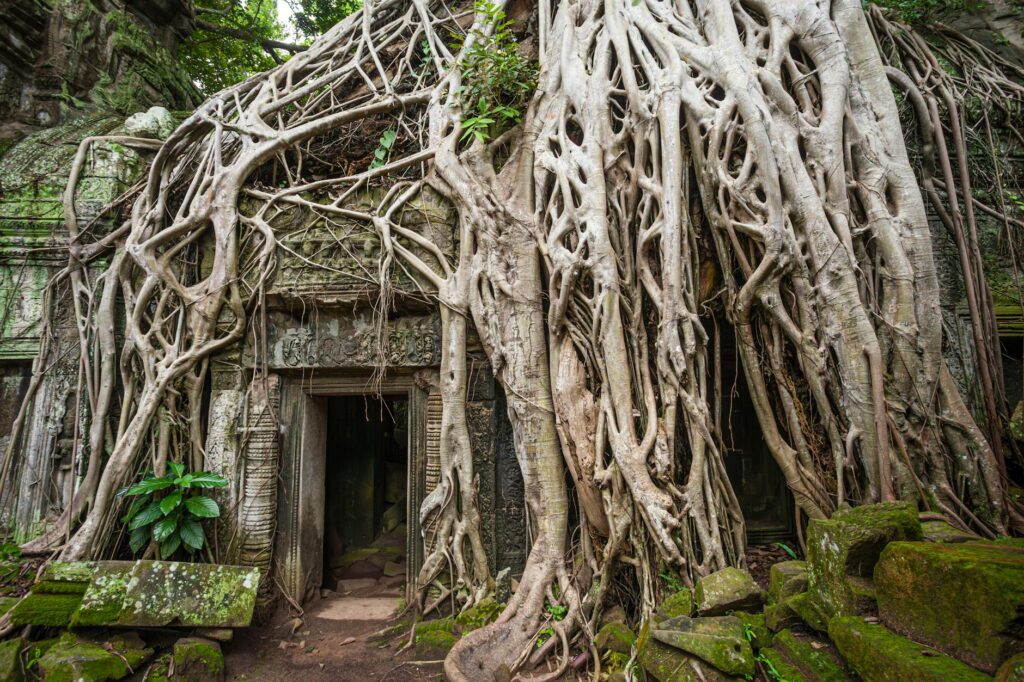
The All-Encompassing Roots
The most striking feature of Ta Prohm is undoubtedly its colossal tree roots. These massive roots, some as thick as a human torso, snake around and through the ancient stone structures, creating a surreal and awe-inspiring scene. The interplay of nature and architecture is simply breathtaking. It’s almost as if the trees are embracing the ruins, weaving themselves into the very fabric of the temple’s history. 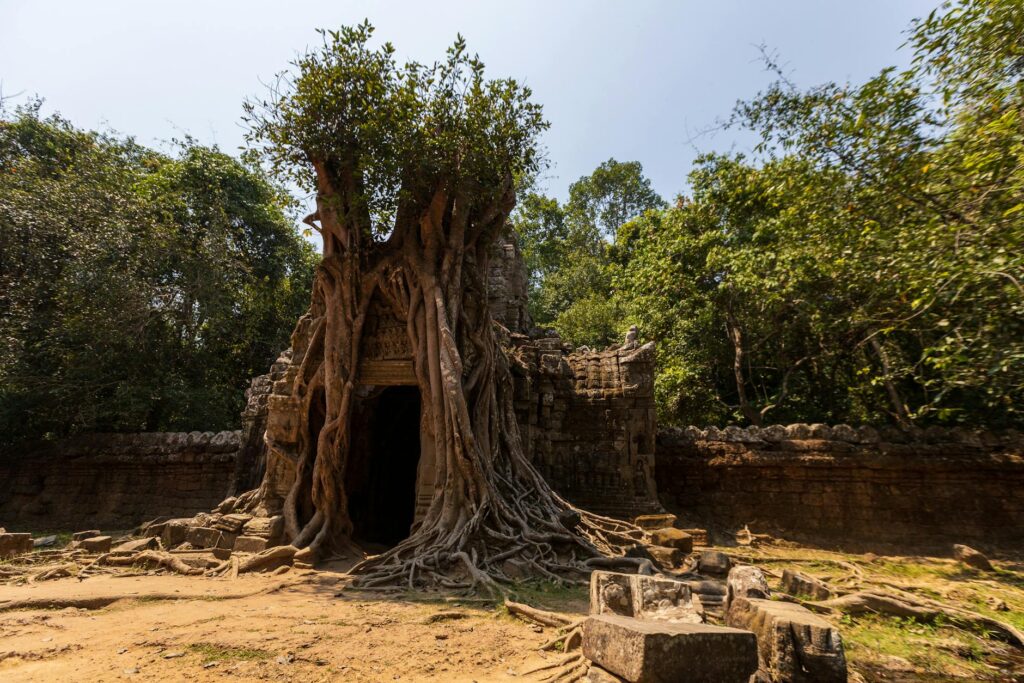
Exploring the Temple’s Secrets
Exploring Ta Prohm is like stepping into a jungle adventure. Narrow pathways wind between crumbling walls, leading you deeper into the heart of the temple. Every turn reveals new, captivating scenes – crumbling doorways swallowed by roots, intricate carvings half-hidden by vines, and massive stone blocks consumed by nature’s tenacious grip. Remember to wear comfortable shoes, as you’ll be doing a fair amount of walking on uneven surfaces. You can even book a guided tour here to learn more about the temple’s history and significance.
Beyond the Trees: Hidden Gems
While the trees are the undeniable star of Ta Prohm, the temple itself holds a wealth of architectural and historical details waiting to be discovered. Take the time to appreciate the intricate carvings, the remaining structures, and the sense of quiet grandeur that pervades the site. Don’t miss the chance to explore the temple’s less-visited corners; you might just stumble upon a hidden gem. Consider visiting during the shoulder seasons for a less crowded experience and more comfortable weather. For travel tips, check out this blog.
Conservation Efforts
The delicate balance between preservation and the natural environment is carefully managed at Ta Prohm. Conservation efforts aim to protect the temple’s unique character while ensuring its long-term survival. Learn more about the ongoing conservation projects on this website. By visiting responsibly, you can help support these important initiatives and help preserve this incredible site for future generations.
A Journey Through Time
A visit to Ta Prohm is more than just sightseeing; it’s a journey through time, a unique encounter with the captivating power of nature, and a testament to the enduring legacy of the Khmer civilization. Whether you’re a history buff, a nature lover, or simply seeking a unique travel experience, Ta Prohm offers an adventure unlike any other. Learn more about Angkor Wat, another impressive temple nearby.
Frequently Asked Questions
What is the best time to visit Ta Prohm? The best time to visit is during the dry season (November to April) for pleasant weather and easier exploration. However, it can get crowded. The shoulder seasons (April-May & September-October) offer a good balance.
How much time should I allocate for visiting Ta Prohm? Allow at least 2-3 hours to fully explore the temple grounds, taking your time to appreciate the details and absorb the atmosphere. You might even want to stay longer to capture the beauty in different lights.
Can I climb on the ruins and roots? To protect the temple’s delicate structures and ensure your safety, climbing on the ruins and roots is generally discouraged. Please adhere to the guidelines provided by the park authorities.
Is it possible to visit Ta Prohm independently or should I hire a guide? While you can explore Ta Prohm independently, a guided tour can enrich your experience by providing valuable insights into the temple’s history and significance. Find out more about hiring a guide.
What should I wear to visit Ta Prohm? Comfortable walking shoes are essential, as well as light, breathable clothing suitable for the tropical climate. Don’t forget sunscreen, insect repellent, and a hat.

