Angkor Thom, meaning “Great City,” is a captivating testament to the Khmer Empire’s power and artistry. This ancient city, enclosed within its formidable walls, is a must-see for any visitor to Cambodia. Prepare to be amazed by its scale and the intricate detail of its magnificent structures. 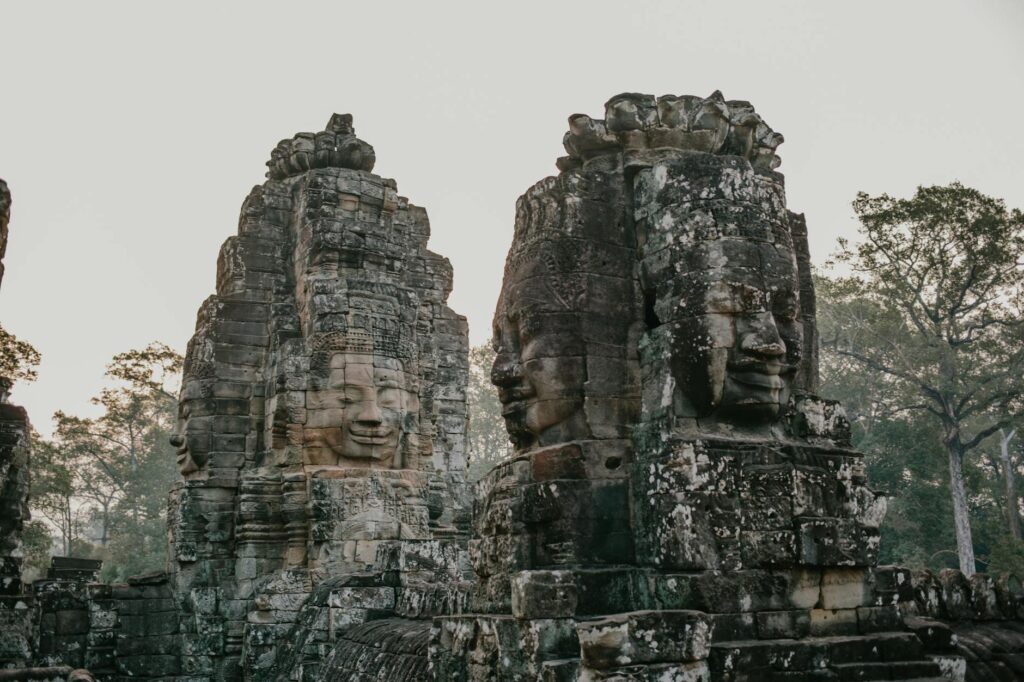
Exploring the Bayon
The Bayon temple, arguably Angkor Thom’s most iconic structure, is instantly recognizable for its enigmatic smiling faces carved into its towers. These faces, their expression a mixture of serenity and mystery, seem to watch over you as you explore the labyrinthine corridors. The sheer scale of the Bayon, with its multitude of levels and hidden chambers, is truly breathtaking. Discover more about its unique architectural features by visiting this external resource focusing on Khmer architecture. 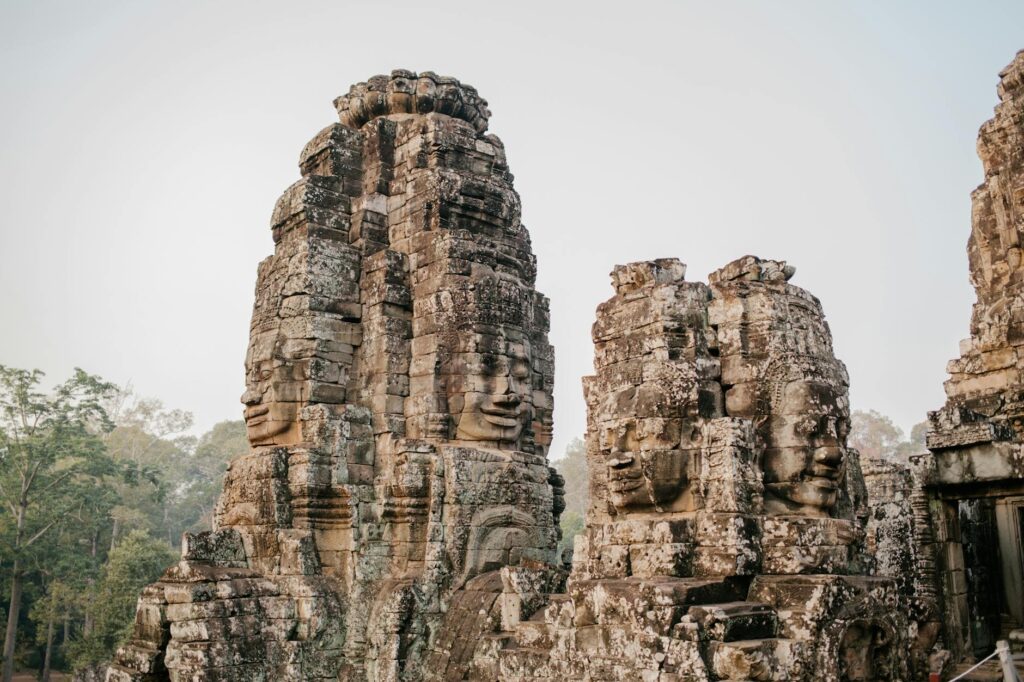
The Terrace of the Elephants
This impressive terrace, once used for royal ceremonies and processions, offers a glimpse into the grandeur of the Khmer court. The intricately carved balustrades, depicting elephants and other mythical creatures, are incredibly well-preserved. From the Terrace of the Elephants, you can get a sense of the vastness of Angkor Thom and the strategic planning that went into its design. You can learn more about the history of royal processions by visiting this section on Angkor Wat’s history. [IMAGE_3_HERE]
The Terrace of the Leper King
While the identity of the figure depicted on this terrace remains a mystery, its artistic merit is undeniable. The imposing statue, along with the other carvings adorning the terrace, provides a fascinating insight into the Khmer artistic style and beliefs. For a detailed description of the various interpretations of the sculpture, check out this academic paper. [IMAGE_4_HERE]
Phimeanakas
This three-tiered pyramid, with its imposing presence and intricate carvings, offers stunning views from its summit. Climbing to the top is a rewarding experience, though it can be challenging. Remember to wear comfortable shoes and bring water. To learn more about the daily life of Angkor Thom’s inhabitants, check out this section focusing on daily life in the ancient city. Phimeanakas was also an important religious center; you can read more about Angkorian religion here.
The Enclosure Walls
The massive walls surrounding Angkor Thom are themselves a testament to the engineering prowess of the Khmer. These walls, complete with impressive gates and moats, served as both a defensive barrier and a symbolic boundary, reinforcing the city’s significance. Walking around the walls allows for a different perspective on the city, revealing the scale of the entire complex. [IMAGE_5_HERE]
Exploring Angkor Thom is an unforgettable journey through time. The city’s magnificence, combined with its rich history and enduring mystery, makes it a truly captivating destination. The sheer scale and detail are remarkable, and a testament to the achievements of the Khmer civilisation.
Frequently Asked Questions
What is the best time to visit Angkor Thom? The best time to visit is during the dry season (November to April), when the weather is pleasant and the temples are easily accessible.
How long does it take to explore Angkor Thom? Allow at least a full day to explore the main temples within Angkor Thom, but you could easily spend several days exploring every aspect of this vast complex.
How much does it cost to enter Angkor Thom? The entrance fee is included in the Angkor Pass, which allows access to multiple temples in the Angkor area. Check the official website for up-to-date pricing.
Is Angkor Thom suitable for children? Yes, but be prepared for a lot of walking and some uneven surfaces. Children will be captivated by the beauty and wonder of the temples, but appropriate footwear and supervision are crucial.
What should I bring on my Angkor Thom visit? Comfortable walking shoes, sunscreen, insect repellent, water, and a hat are essential for a comfortable visit.

