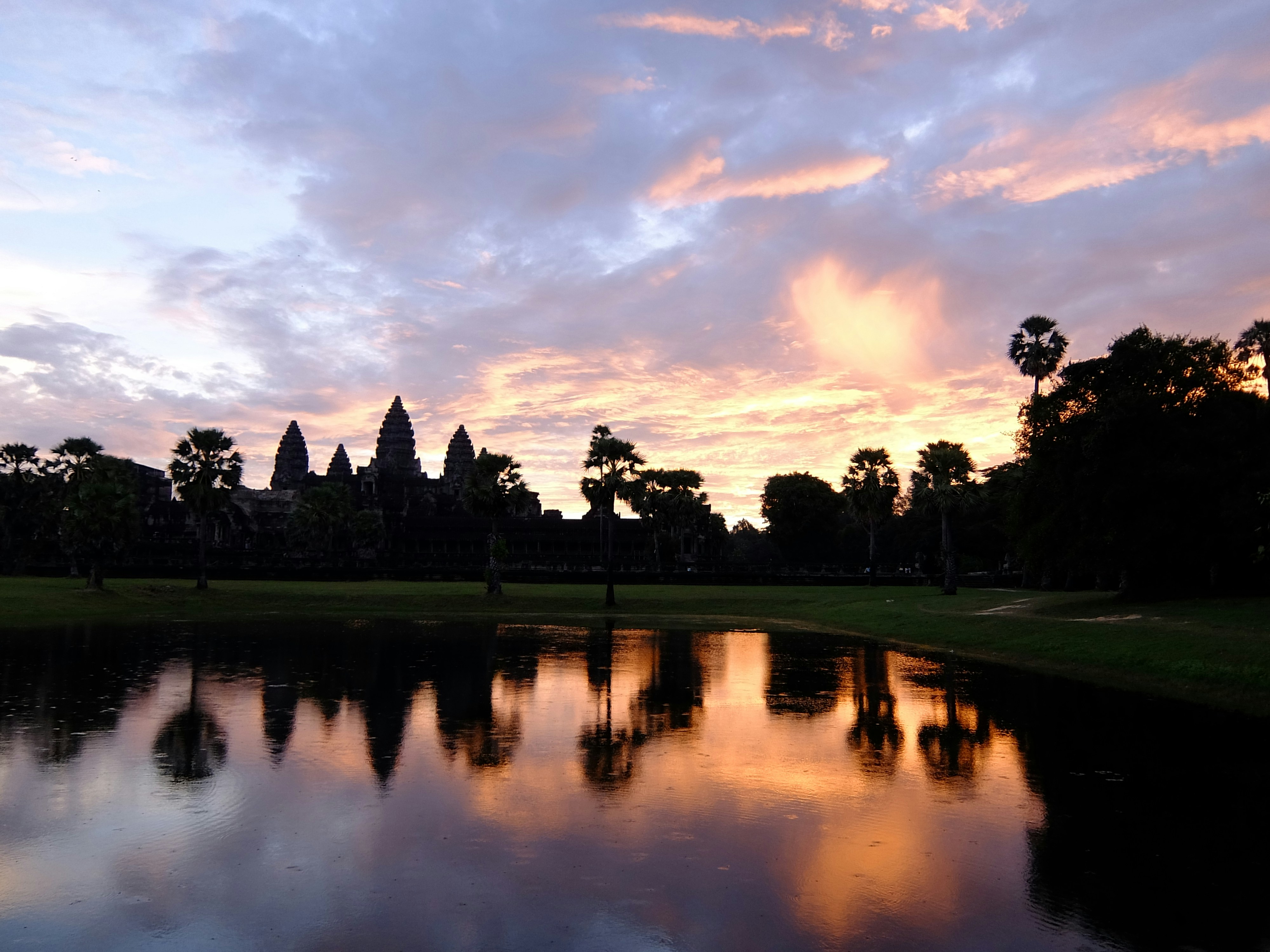
Introduction to Angkor Wat
Angkor Wat, nestled in the heart of Cambodia, is one of the most stunning architectural achievements of the Khmer Empire. Built in the early 12th century, this immense temple complex is not only a source of national pride but also a UNESCO World Heritage site. Here, we explore three interesting facts that highlight its unique history and significance.
The Largest Religious Monument
Angkor Wat is renowned as the largest religious monument in the world. Originally constructed as a Hindu temple dedicated to the god Vishnu, it later transitioned into a Buddhist temple. Covering over 162.6 hectares, its size alone showcases the grandeur and ambition of its creators, standing as a monumental achievement in both spiritual and architectural terms.
Architectural Marvel
The design of Angkor Wat is a masterpiece of Khmer architecture. Its intricate bas-reliefs and sculptures depict various religious themes and narratives from Hindu mythology. The layout resembles a miniature replica of the universe in stone, symbolizing an earthly model of the celestial world. This architectural ingenuity reflects the skill and creativity of the artisans who brought this marvel to life.
A Symbol of Cambodia
Beyond its architectural significance, Angkor Wat holds a deep cultural and historical importance for the Cambodian people. It is frequently featured on the nation’s flag, symbolizing resilience and national pride. The temple attracts millions of visitors annually, making it not only a key attraction but also a vital part of Cambodia’s identity and heritage.

