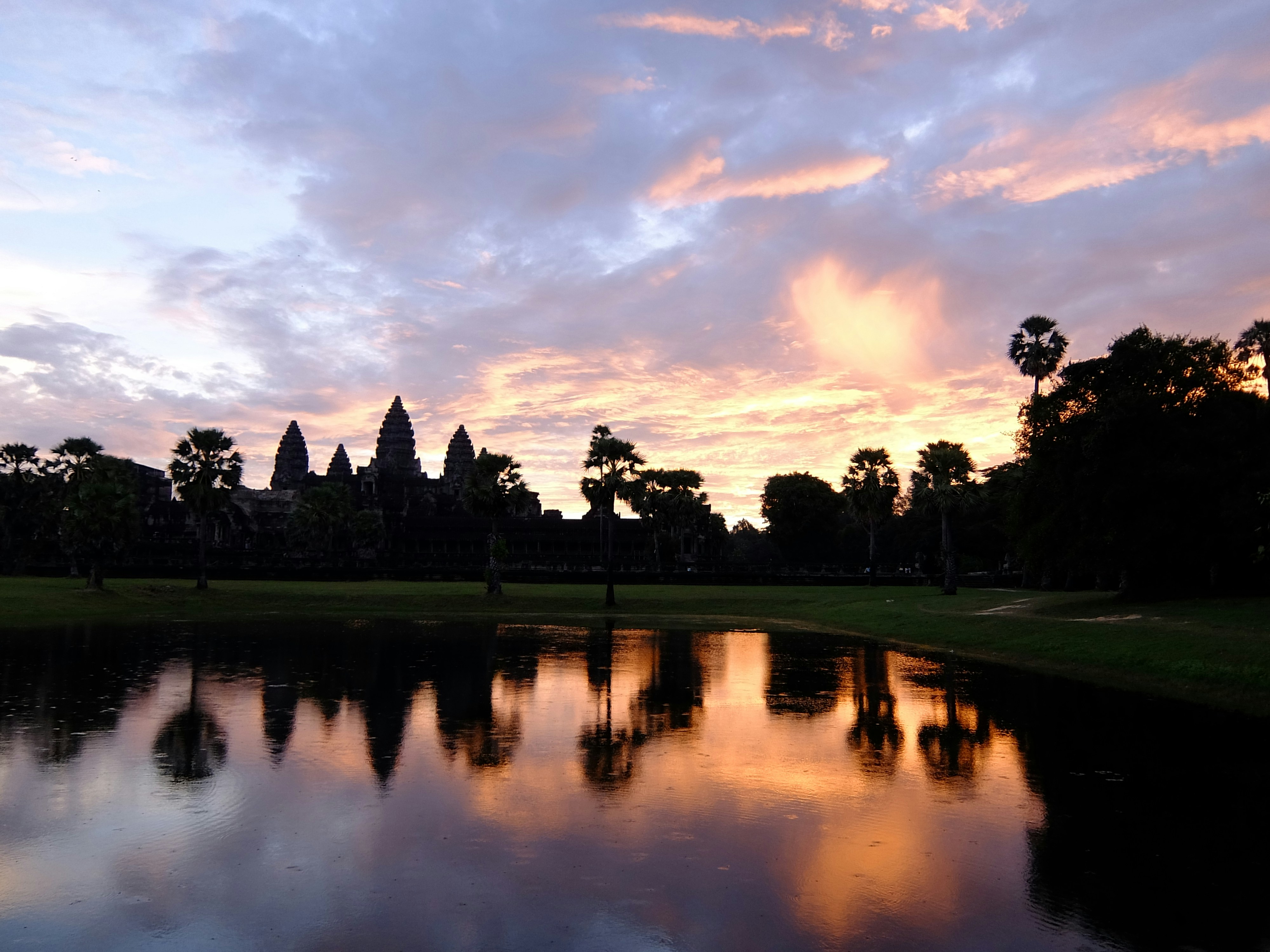
Introduction to Angkor Wat
When one thinks of Cambodia, the first image that often comes to mind is Angkor Wat. This stunning temple complex is not only the largest religious monument in the world but also a significant symbol of Cambodia’s cultural heritage. Built in the early 12th century, Angkor Wat was originally constructed as a Hindu temple dedicated to the god Vishnu but later transformed into a Buddhist temple.
The Architectural Marvel
Angkor Wat exemplifies classical Khmer architecture with its intricate bas-reliefs and impressive towers. The layout of the temple is designed to represent an earthly model of the cosmic world, and the central tower symbolizes Mount Meru, the center of the universe in Hindu and Buddhist cosmology. Visitors are often awed by its grandeur, especially during sunrise when the temple is beautifully illuminated by the sun’s rays.
Tourism and Preservation Efforts
Today, Angkor Wat stands as a UNESCO World Heritage site and attracts millions of tourists annually. The preservation of this iconic structure is essential to maintain its historical significance. Local efforts are in place to ensure that Angkor Wat is not only preserved for future generations but also remains a source of pride for the Cambodian people. Whether you are an avid history buff or simply someone who appreciates breathtaking architecture, a visit to Angkor Wat is undoubtedly a worthwhile experience.

