Bayon Temple, the enigmatic heart of Angkor Thom, beckons travelers to explore its captivating history and architectural marvels. This iconic temple, with its countless serene and smiling faces carved into its towers, is a testament to the Khmer Empire’s artistic prowess and spiritual devotion. Prepare to be mesmerized by the intricate details and the sheer scale of this awe-inspiring structure.
The Enigmatic Faces of Bayon
The most striking feature of Bayon Temple is undoubtedly its towering stone faces. These enigmatic expressions, etched into the sandstone blocks, seem to watch over visitors with serene smiles. Their purpose remains a subject of ongoing debate among scholars, with theories ranging from representations of the divine to symbolic depictions of the Khmer king. 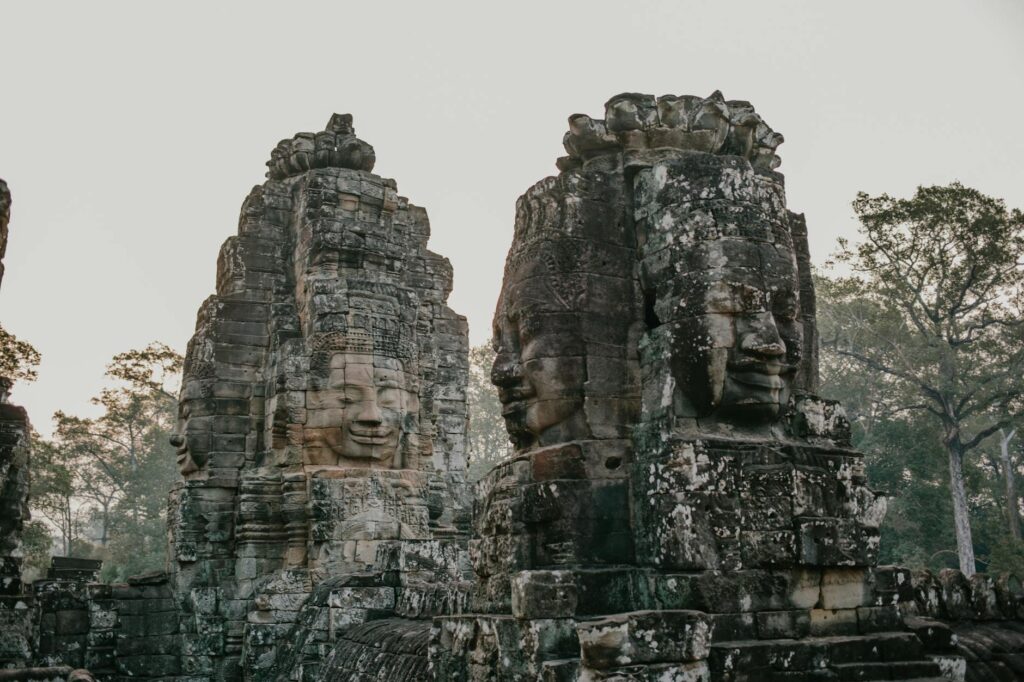 The sheer number of faces—over 200—is truly astonishing, creating a breathtaking spectacle. Learn more about the theories surrounding these faces.
Architectural Grandeur and Layout
Bayon Temple is a masterpiece of Khmer architecture, showcasing the sophistication of its design and construction. The temple complex is laid out in a complex system of concentric galleries and courtyards, each leading to more elaborate structures. As you navigate through these passages, you’ll discover intricate carvings adorning every surface, depicting scenes from Hindu mythology, daily life, and battles. 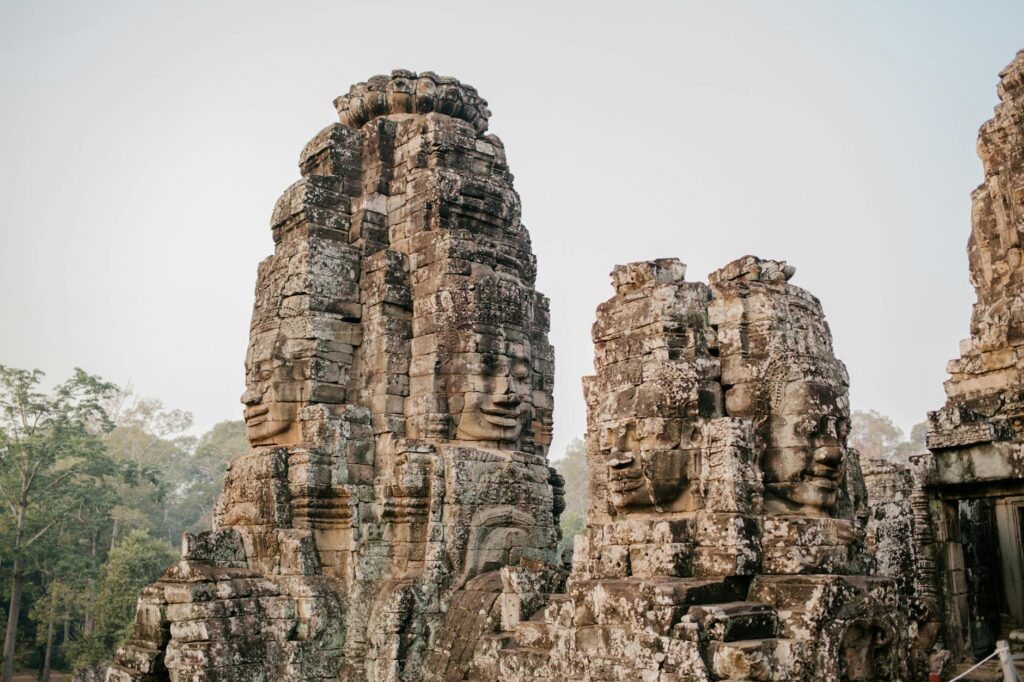 The central towers, adorned with those captivating faces, rise majestically above the surrounding structures. Explore the different levels and sections of the temple.
A Symbol of Khmer Spirituality
Bayon Temple wasn’t merely a beautiful structure; it served as a significant religious center. It’s believed to have been dedicated to Mahayana Buddhism, and its design reflects the profound spiritual beliefs of the Khmer people. The intricate carvings and the layout of the temple itself were all carefully planned to evoke a sense of reverence and awe. [IMAGE_3_HERE] Imagine the daily rituals that once took place within these walls, and the significance this site held for the Khmer kingdom. Discover more about Khmer Buddhism and its influence on the temple.
History and Restoration Efforts
Bayon Temple has weathered centuries of neglect and the ravages of time and war. Understanding its history helps appreciate its resilience. Originally constructed in the late 12th and early 13th centuries, during the reign of King Jayavarman VII, the temple has undergone significant restoration efforts in modern times. These efforts, while crucial for preservation, are a delicate balance between maintaining historical integrity and ensuring visitor safety. Read about the ongoing conservation work at Bayon. [IMAGE_4_HERE]
Exploring Angkor Thom and Beyond
Bayon Temple is located within the larger Angkor Thom complex, which itself is filled with incredible temples and structures. A visit to Bayon is often part of a wider exploration of this vast historical area. From Bayon, you can easily visit other fascinating sites like Angkor Wat and Ta Prohm. Planning your itinerary in advance is key to maximizing your experience. Plan your trip to Angkor Archaeological Park. Learn about other significant temples in Angkor Thom.
In conclusion, Bayon Temple stands as a breathtaking monument to the artistic and spiritual achievements of the Khmer Empire. Its enigmatic faces, intricate carvings, and grand scale continue to captivate visitors from around the world. A visit to this remarkable site offers an unforgettable journey through history and culture. [IMAGE_5_HERE]
Frequently Asked Questions
What is the best time to visit Bayon Temple? The best time to visit is during the dry season (November to April) for pleasant weather.
How much time should I allocate for exploring Bayon Temple? Allow at least 2-3 hours to fully appreciate the temple complex.
Are there guided tours available? Yes, many guided tours are available, offering valuable historical context and insights.
What should I wear when visiting? Dress respectfully, covering shoulders and knees.
Can I take photos inside the temple? Photography is generally permitted, but flash photography may be restricted.

