The Bayon temple, nestled within the sprawling Angkor Thom complex in Cambodia, is a masterpiece of Khmer architecture, renowned for its enigmatic and captivating stone faces. These serene yet imposing visages, carved into the towers and gallery walls, have captivated visitors for centuries, inspiring wonder and countless interpretations. Let’s delve deeper into the mysteries and magnificence of this architectural marvel.
The Enigmatic Faces of Bayon
Hundreds of serene faces, each with a unique expression, adorn the towers and galleries of Bayon. These giant stone faces, typically depicted with a gentle smile and downcast eyes, are thought to represent Avalokiteshvara, the Bodhisattva of compassion. However, their exact meaning and symbolism remain a subject of ongoing debate among scholars. The sheer scale of the carving is astounding; each face is a testament to the skill and dedication of the Khmer artisans. 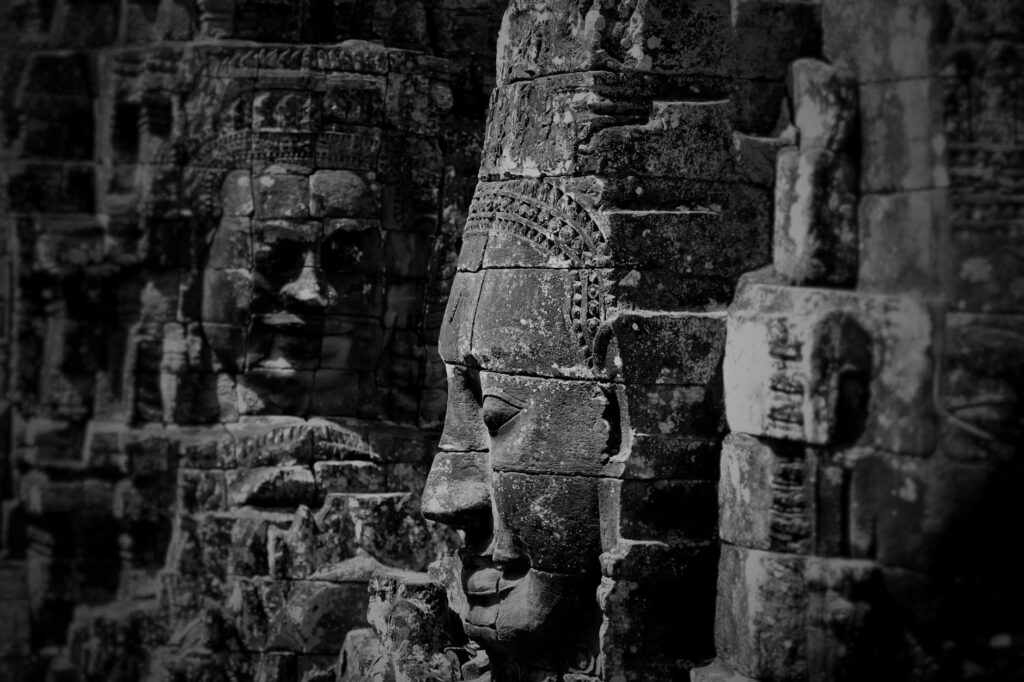
The Architectural Marvel of Bayon
Beyond the faces, the temple’s architecture is equally impressive. Bayon is a unique blend of religious and secular elements, incorporating features of both Hindu and Buddhist beliefs. Its intricate bas-reliefs depict scenes from both the epics of the Mahabharata and the Ramayana, as well as scenes of daily life in the Khmer Empire. Exploring the temple’s multiple levels and galleries is like journeying through a captivating historical narrative. Learn more about Khmer architecture.
The History and Construction of Bayon
Built during the reign of King Jayavarman VII in the late 12th and early 13th centuries, the Bayon temple stands as a testament to the power and prosperity of the Khmer Empire at its zenith. The construction involved immense effort, requiring the coordination of thousands of workers and artisans. The precise methods used to carve and erect these massive stone blocks remain impressive even by today’s standards. Discover more about King Jayavarman VII.
The Symbolism and Interpretations
The multiple interpretations of Bayon’s stone faces add to their allure. Some scholars suggest that they represent the king himself, others posit that they represent different deities. Whatever their true meaning, the faces evoke a sense of serenity and profound contemplation. The artistic skill displayed in their creation is undeniable, making them an icon of Khmer art and religious expression. 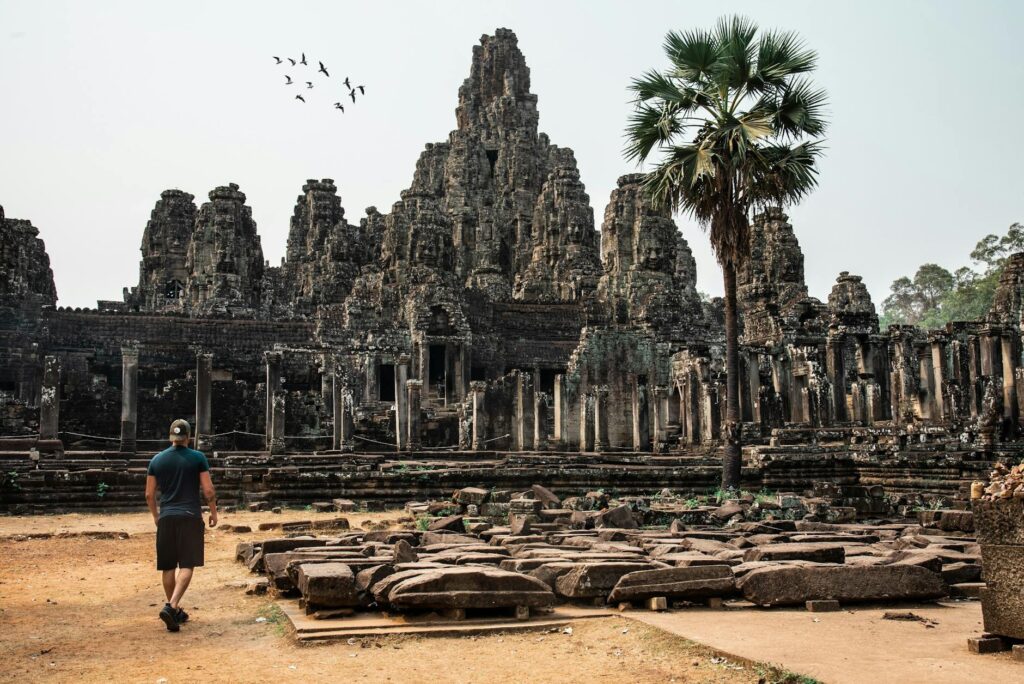
Exploring Bayon Today
Today, Bayon temple is a UNESCO World Heritage Site and a major tourist attraction. Visiting the temple allows one to experience the majesty of Khmer architecture and the captivating enigma of its famous faces firsthand. Remember to respect the sanctity of the site and follow guidelines provided by park authorities. Plan your visit to Angkor Wat. It is easily accessible from Siem Reap and is a must-see for any visitor to Cambodia. Check out travel guides for Angkor.
The Ongoing Mysteries
Despite extensive research, many mysteries surrounding Bayon remain unsolved. The precise purpose of the faces, the methods used in their construction, and the full extent of their symbolism continue to fascinate historians and archaeologists. New discoveries and interpretations are constantly emerging, keeping the legacy of Bayon alive and inspiring further exploration. [IMAGE_3_HERE] Read more about ongoing research.
In conclusion, the Bayon temple is more than just a collection of stone faces; it’s a powerful symbol of Khmer culture, religious beliefs, and artistic achievement. Its enduring mystery and captivating beauty continue to draw visitors from around the globe, ensuring its place as one of Southeast Asia’s most iconic landmarks.
Frequently Asked Questions
What is the significance of the faces at Bayon? The significance of the faces is still debated, but they are widely believed to represent Avalokiteshvara, the Bodhisattva of compassion, or possibly the king himself.
When was Bayon Temple built? Bayon temple was constructed during the reign of King Jayavarman VII, in the late 12th and early 13th centuries.
How can I get to Bayon Temple? Bayon Temple is located within the Angkor Thom complex in Cambodia, easily accessible from Siem Reap.
What other temples are near Bayon? Angkor Thom encompasses several other magnificent temples such as Angkor Wat and the Elephant Terrace, all within walking distance or a short tuk-tuk ride.
Are there guided tours available? Yes, guided tours of Angkor Thom and Bayon are readily available, offering valuable historical context and insights.

