Introduction
Preah Khan, meaning “Sacred Sword” in Khmer, stands as a poignant testament to the grandeur and tragedy of the Khmer Empire. Lost to the jungle for centuries, this magnificent temple complex in Angkor, Cambodia, is slowly revealing its secrets to the modern world. Its intricate carvings, towering structures, and pervasive sense of history make it an unforgettable destination. 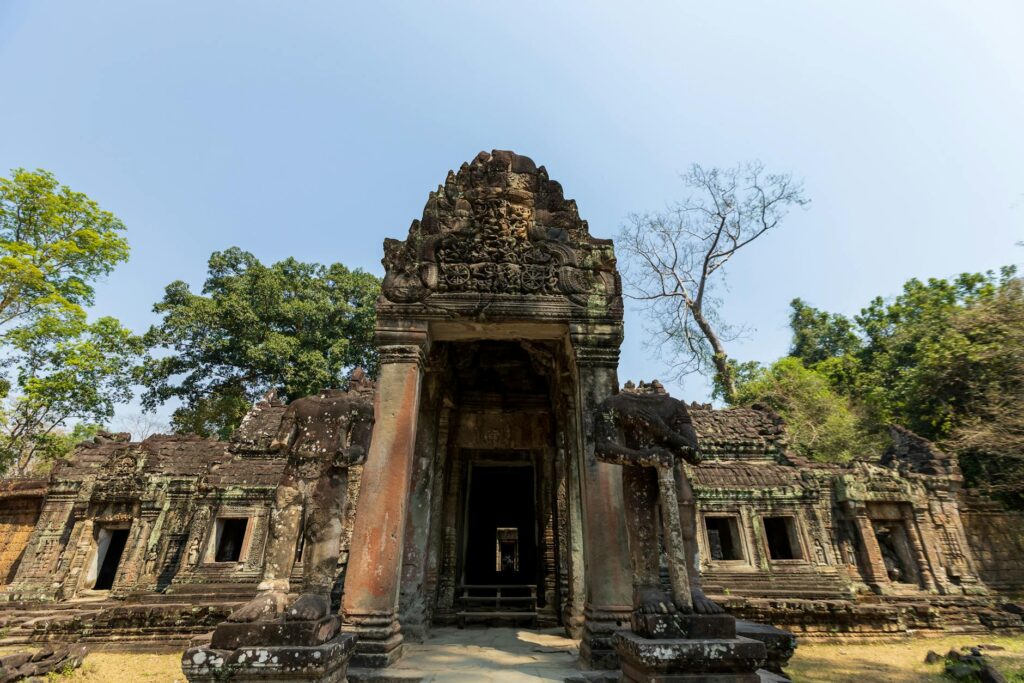
Architectural Marvels
Preah Khan’s architecture is a captivating blend of Bayon and Angkor Wat styles. The temple features a complex network of courtyards, galleries, and towers, many of which are still partially reclaimed by the jungle. The sheer scale of the site is breathtaking, with numerous structures interconnected by long causeways and overgrown paths. Notice the unique use of laterite and sandstone in its construction. Learn more about Khmer architecture.
A Royal Foundation
Originally constructed in the late 12th century by King Jayavarman VII, Preah Khan served as a royal city and a Buddhist monastery. It was dedicated to his father, King Dharanindravarman II. This wasn’t just a religious site; it was a bustling center of activity, encompassing royal residences, temples, and extensive infrastructure.  The city’s size and complexity speak volumes of the kingdom’s power and wealth during this period.
The Decay and Rediscovery
After the fall of the Khmer Empire, Preah Khan was abandoned, swallowed by the jungle. For centuries, it remained lost to the world, only rediscovered in the late 19th century by French explorers. The process of clearing the jungle and restoring the temple is ongoing, offering modern researchers fascinating insights into Khmer engineering and spirituality. Read about the exploration of Angkor.
Intricate Carvings and Symbolism
The walls and lintels of Preah Khan are adorned with elaborate carvings, showcasing intricate details of deities, mythical creatures, and scenes from daily life. The level of craftsmanship is extraordinary. These images offer a glimpse into the beliefs and artistic skills of the Khmer people. Many carvings depict scenes from the epic poem, the Reamker, a Khmer version of the Ramayana. [IMAGE_3_HERE]
Exploring Preah Khan Today
Today, Preah Khan stands as a powerful symbol of Cambodia’s rich history and resilient spirit. While significant restoration work continues, visitors can explore the temple’s surviving structures, marvel at the remaining carvings, and imagine the bustling city it once was. Remember to wear comfortable shoes; the site is vast and involves considerable walking. Plan your visit to Angkor Wat, located nearby. Check the latest travel advisories for Cambodia.
Conclusion
Preah Khan is more than just a temple; it’s a journey through time, offering a profound connection to a lost civilization. Its majestic ruins and intricate details continue to captivate and inspire, reminding us of the incredible achievements of the Khmer Empire and the enduring power of human creativity. [IMAGE_4_HERE]
Frequently Asked Questions
What is the best time to visit Preah Khan? The dry season (November to April) offers the most pleasant weather for exploring the temple complex.
How much time should I allocate for visiting Preah Khan? Allow at least 2-3 hours to fully appreciate the site, but more time is always better if you want to truly explore.
Is Preah Khan accessible to all visitors? While much of the site is accessible, some areas may be challenging for visitors with mobility issues due to uneven ground and ruins.
Are there guided tours available? Yes, many local guides offer tours of Preah Khan, providing valuable insights into its history and architecture. Hiring a guide is strongly recommended. Find recommended tour operators.
What should I wear when visiting Preah Khan? Dress respectfully, covering your shoulders and knees. Wear comfortable walking shoes.

