An Ancient Kingdom Reclaimed by Nature
Ta Prohm, a 12th-century temple in Angkor, Cambodia, is more than just a historical site; it’s a breathtaking testament to the power of nature. Famous for its stunning portrayal in the movie “Tomb Raider,” this temple is unlike any other, where colossal trees have intertwined with the ancient stones, creating a scene both eerie and beautiful. Prepare to be amazed as we journey into the heart of Ta Prohm.
The Allure of the Tomb Raider Temple
The temple’s fame skyrocketed after featuring prominently in the Angelina Jolie film, “Tomb Raider.” The images of massive tree roots snaking around crumbling structures captivated audiences worldwide, igniting a desire to witness this unique marvel firsthand. 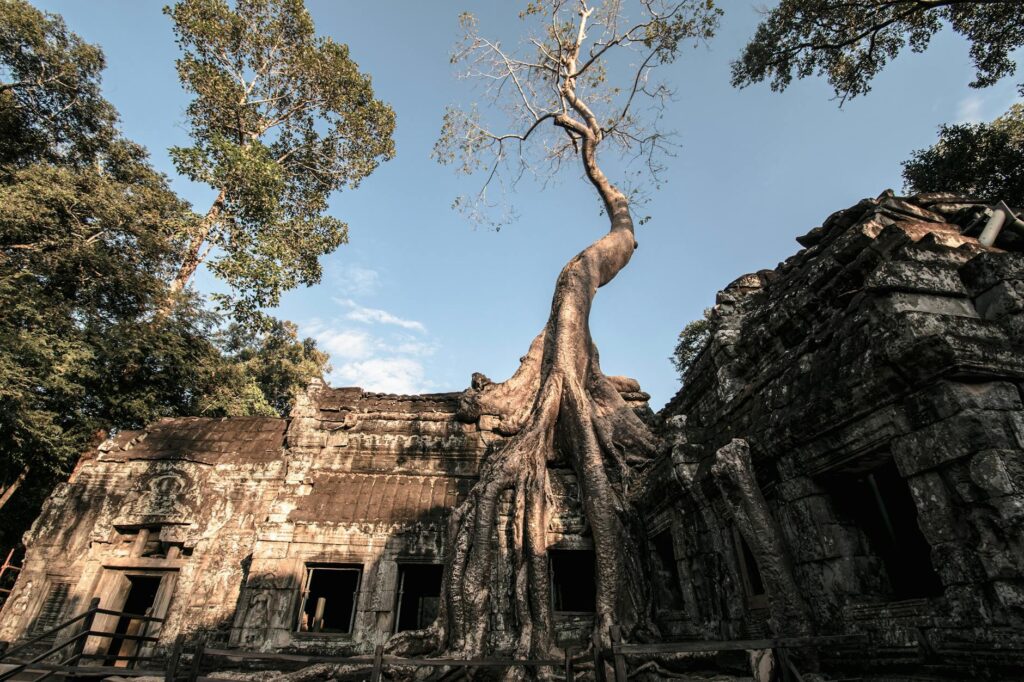 The mystical atmosphere and the sheer scale of the intertwined vegetation and architecture make it a truly unforgettable experience. Learn more about the history of Angkor.
Exploring the Stone and Roots
Walking through Ta Prohm feels like stepping into a fantasy novel. Giant strangler figs and kapok trees have embraced the sandstone structures, their roots weaving through walls and doorways. 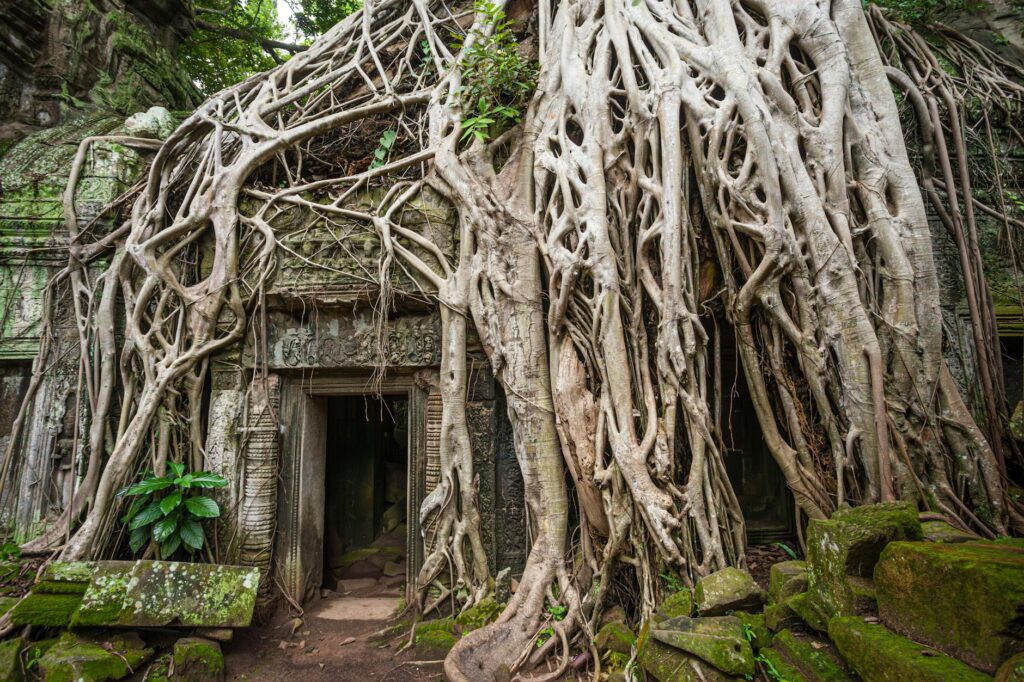 Some trees have completely engulfed sections of the temple, their weight causing stones to crumble and fall. Yet, this decay somehow enhances the beauty, highlighting the delicate balance between nature’s relentless power and the enduring strength of human creation. Explore more stunning images of Ta Prohm.
Beyond the Movie: A Rich History
Beyond its cinematic fame, Ta Prohm holds a significant place in Khmer history. Originally built during the reign of King Jayavarman VII, it served as a Buddhist monastery and university. Discover more about the life of King Jayavarman VII. The intricate carvings, though weathered by time and nature, offer glimpses into the sophisticated art and religious beliefs of the Khmer Empire. [IMAGE_3_HERE] Even in its current state of partial ruin, the temple’s grandeur is undeniable.
A Symbiotic Relationship: Nature and Architecture
What’s truly remarkable about Ta Prohm is the apparent harmony between nature and architecture. While the trees have caused significant damage, they have also preserved aspects of the temple by providing shade and slowing down further erosion. [IMAGE_4_HERE] It’s a breathtaking display of nature reclaiming its territory, demonstrating the cyclical nature of life and decay. Read about the conservation efforts at Angkor. This unique relationship makes Ta Prohm a truly captivating example of how time and nature shape our world.
Practical Information for Your Visit
Planning a trip to see this wonder? Remember to wear comfortable shoes as you’ll be doing a lot of walking on uneven ground. The site is open daily, and it’s advisable to visit during the cooler parts of the day to avoid the intense Cambodian heat. Check the official Angkor Wat website for opening hours and ticket information. Also, consider hiring a local guide to enrich your experience and learn more about the history and significance of the site. [IMAGE_5_HERE] And don’t forget your camera!
Conclusion
Ta Prohm is more than just a ruined temple; it’s a living, breathing monument where history and nature collide in a breathtaking display of beauty and decay. From its “Tomb Raider” fame to its rich historical significance, this site offers a unique and unforgettable experience for every visitor. It’s a must-see destination for anyone interested in history, archaeology, or simply the awe-inspiring power of nature.
Frequently Asked Questions
What is the best time to visit Ta Prohm? Early morning or late afternoon are ideal to avoid the midday heat and large crowds.
How much time should I allow for exploring Ta Prohm? Allocate at least 2-3 hours to fully appreciate the temple and its surroundings.
Can I climb on the ruins? Climbing on the ruins is not permitted to protect the site and ensure visitor safety.
Are there guided tours available? Yes, many local guides offer insightful tours of Ta Prohm.
How can I get to Ta Prohm? Ta Prohm is located within the Angkor Archaeological Park, easily accessible by tuk-tuk or bicycle.

