Tonle Sap Lake, the largest freshwater lake in Southeast Asia, is a truly unique and captivating place. Known for its iconic floating villages, it offers a glimpse into a way of life unlike anywhere else on Earth. This vast and ever-changing ecosystem is a vital part of Cambodia’s culture and biodiversity.
Exploring the Floating Villages
The floating villages of Tonle Sap are perhaps its most famous feature. These villages, built on large rafts of interconnected bamboo platforms, rise and fall with the lake’s water levels. Life here is intrinsically linked to the lake; the people fish, farm, and trade, all within this unique aquatic environment. 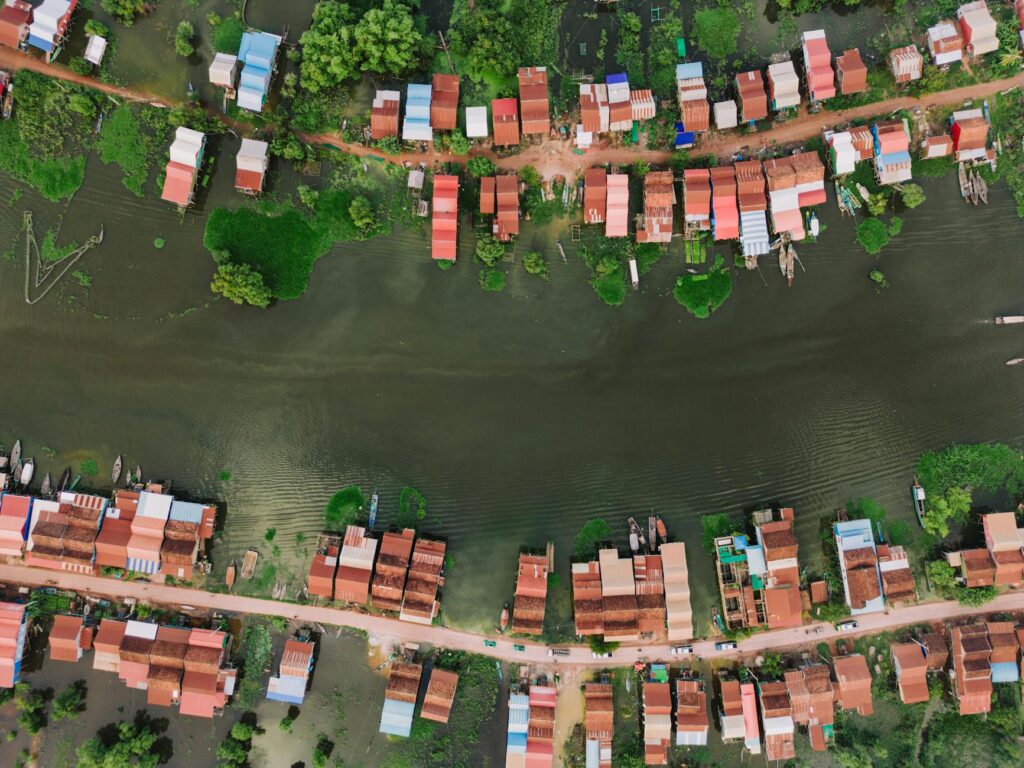 Imagine waking up to the sounds of the water lapping gently against your stilt house – a truly unforgettable experience. Visiting these villages provides a profound insight into a community living in harmony with nature, a testament to human adaptability and resilience.
The Annual Flooding Cycle and its Impact
The Tonle Sap Lake is famous for its dramatic annual flooding cycle. During the wet season, the Mekong River reverses its flow, filling the lake and expanding its size dramatically. This incredible natural phenomenon greatly impacts the lives of those residing on the lake. The rising water provides rich nutrients for fishing and agriculture, sustaining the local populations and contributing to the biodiversity of the lake. Learn more about the Mekong River’s influence on the lake’s ecosystem. 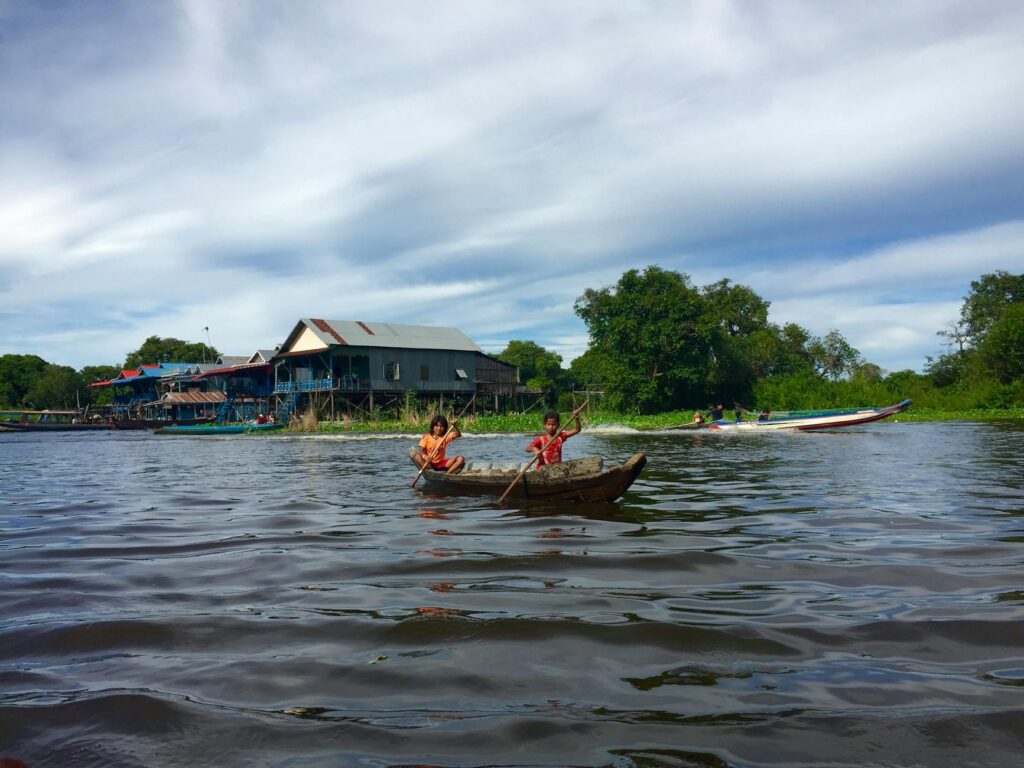
The Biodiversity of Tonle Sap Lake
Tonle Sap Lake is a haven for biodiversity. A diverse array of fish species thrives in its waters, providing a crucial food source for the local communities and contributing to Cambodia’s fishing industry. Beyond fish, the lake supports a multitude of bird species, reptiles, and mammals. The lake’s ecosystem is incredibly fragile, and its conservation is paramount. Discover more about the unique flora and fauna of Tonle Sap.
Daily Life in the Floating Villages
Daily life in a floating village is a fascinating blend of tradition and adaptation. The villagers’ lives revolve around the rhythms of the lake, marked by the changing seasons and the demands of fishing and farming. Children play in the water, adults tend to their homes and businesses, and the community spirit is strong. [IMAGE_3_HERE] You can explore the local culture and traditions by visiting and observing daily life.
Sustainable Tourism and Conservation Efforts
Sustainable tourism is crucial for preserving the unique environment and culture of Tonle Sap Lake. Responsible travel ensures that the benefits of tourism are shared fairly with the local communities while minimizing the negative impacts on the fragile ecosystem. Many organizations are working to promote eco-tourism and support local conservation efforts. You can help by choosing responsible tour operators and supporting local businesses. Find ethical tour operators here. [IMAGE_4_HERE] We must all work together to preserve this incredible natural wonder for future generations. Learn more about conservation efforts.
Tonle Sap Lake is more than just a lake; it’s a living, breathing ecosystem and a testament to the resilience and resourcefulness of its people. A visit to this remarkable place offers an unforgettable journey into a world that is both beautiful and fragile.
Frequently Asked Questions
What is the best time to visit Tonle Sap Lake? The dry season (November to April) generally offers the best weather for visiting.
How can I get to the floating villages? Many tours are available from Siem Reap, offering boat trips to the floating villages.
What should I pack for a trip to Tonle Sap Lake? Light, comfortable clothing, insect repellent, sunscreen, and a hat are essential.
Are there any accommodation options near Tonle Sap Lake? Yes, you can find various lodging options, ranging from guesthouses to hotels, in Siem Reap and nearby towns.
What are some of the challenges faced by the communities living on Tonle Sap Lake? The communities face environmental challenges like pollution and the impact of climate change, as well as socio-economic difficulties.

